Before the Scoreboard: How People Kept Track of a Match
Before the scoreboard, match scores could be remembered, marked or called aloud. Learn how these methods worked and what a public display adds.
How did people follow a match before the scoreboard? The answer depends on the sport and setting: spectators might listen for a spoken call, watch a scorekeeper’s marks, or keep track themselves. Without a specific sport, place and period, there is no single historical sequence to tell; these are practical methods, not a claim that every crowd used them.
Memory and calls
In a small gathering, a spectator close to the scorer might hear the total as it changed. A player or official could also call a score where the sport’s rules or local practice allowed it. The call made information available to listeners nearby, though people farther away could miss it.
Memory offered another route, especially when the scoring sequence was easy to follow. It was less dependable if someone arrived late, lost attention or could not distinguish a confirmed score from an attempt. A spectator who missed a call might ask a neighbour, then discover that the neighbour had missed it too.
Marks and records
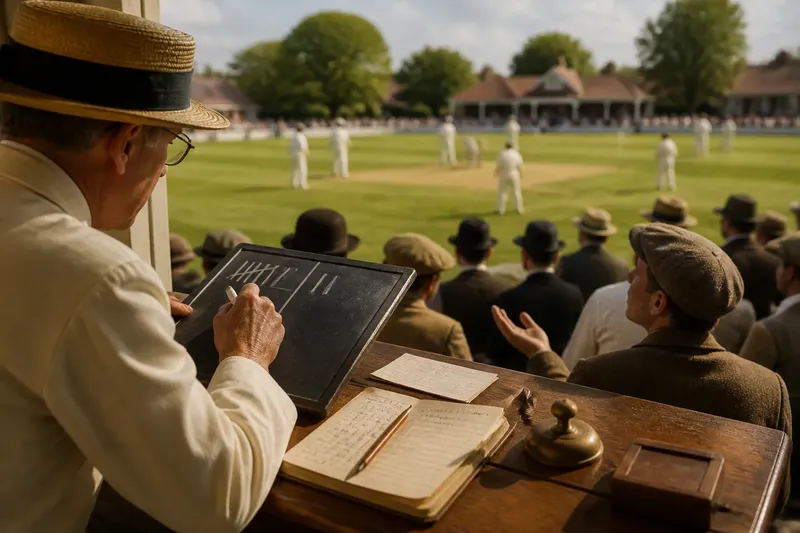
A scorekeeper could use marks on a slate, board or sheet to preserve a running record. This separates keeping the score from showing it: a private sheet may help the scorer, but it does not tell the crowd anything unless it can be read or announced.
Imagine an invented village match with one scorer using a slate behind the boundary. A late-arriving spectator asks for the total; the scorer reads it aloud. The newcomer now knows the score, while nearby listeners may hear the answer too. Anyone beyond earshot still needs another call or a view of the slate.
For a particular match, check the sport’s rules and the organiser’s arrangements to learn who records the score and how a correction is made. A visible number is useful, but its position in the venue does not make it the official record.
Why make scores visible
A board gives spectators a shared reference without requiring them to hear the same announcement. It can help someone who arrives after play has begun, provided the display distinguishes the match total from a period score or another part of the record.
Visibility has limits. A board may show a total but not explain how it arose, and one figure can leave out penalties, periods or other details that matter in a given sport. Treat it as a compact record, not a description of the whole contest.
Changing displays
A simple board with movable cards or written figures can communicate a score without elaborate equipment. More complex displays can show time, periods or other match information, but every entry still depends on someone or some process entering the right information. A clear display can make an incorrect entry look especially convincing.
When a number appears to conflict with the play, allow for an official decision, a correction or a delay in updating the board. The rules and event procedures determine which record is authoritative and when the result is final.
Reading the board?
Was every score kept on a board?
No single method applied to every sport or gathering. People could hear a call, consult a scorekeeper or keep track themselves, depending on the arrangements.
Does a public score settle a dispute?
Not by itself. The sport’s rules and officials determine how a disputed score is resolved and how the record is corrected.
Why might the board lag behind play?
An official may still be deciding whether an apparent score counts, or the display may not yet have been updated. Check the next announcement or the event’s stated procedure rather than treating an interim figure as final.
What should I read first?
Start with the labels: identify the sides, the period or match total, and any clock or status indicator. If the format remains unclear, check the sport’s rules or ask an official.
Reading a scoreboard
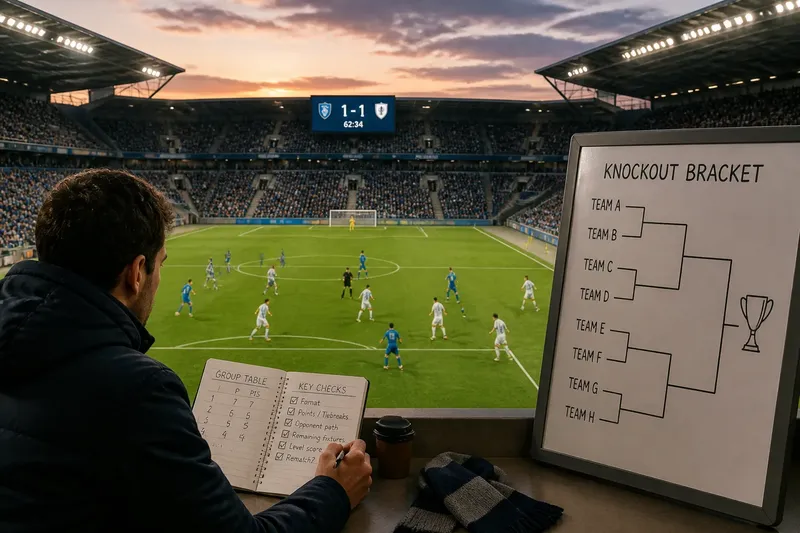
Say you arrive at an invented court match and see team totals alongside a separate line marked for the current period. First, read the labels; next, compare the period line with the match totals. The result is a clear distinction between the latest segment and the score across the match, rather than a guess based on the largest figures.
Use a scoreboard to answer the immediate question, then look back at the play for context. For anyone asking how people followed a match before the scoreboard, the useful distinction is between keeping a record and making it available: memory, marks and calls could serve the first purpose, while a public display lets more of the crowd consult the same information.
When you cannot tell whether a display is live or final, look for a status label or listen for an official announcement. That small check prevents a temporary number from becoming your account of the match.